
"Ethiopian flavor variety"
3000 article(s) found

The synonym of Ethiopian boutique beans the flavor description of Yega Xuefei coffee
The flavor description of Yega Xuefei Coffee, synonymous with Ethiopian boutique beans, comes from the original heirloom variety of coffee, which brings us rich tropical fruit flavor, and strawberry aroma is also unique to this variety. Due to the special microclimate of high altitude and red soil in sidmo province, the unique organic matter of coffee cherry fruit is roasted moderately.

Ethiopian Coffee | characteristics of Ethiopian Coffee
Ethiopian coffee for hundreds of years, Ethiopia has provided the world's most acclaimed single-origin high-quality coffee beans. In general, Ethiopian coffee is famous for its complex taste, spicy wine and unique acidity. Altitude range: 1500-2200 m above sea level language: Amharic harvest season: November-February annual coffee output: 660

Ethiopian Coffee Flavor Description Grind Taste Variety Fine Coffee Introduction
In July 1991, EPF hosted a national conference attended by more than 20 political and ethnic organizations. The meeting adopted the Transitional Charter and elected an 87-member House of Representatives, with EPF Chairman Meles Zenawi as President of the Transitional Government and President of the House of Representatives. A transitional government was established. On 24 May 1993, Eritrea (formerly Ethiopian Province of Eritrea) adopted a resolution at the International Conference on the Elimination of All Forms of Discrimination against Women (ICPD).

Description of characteristic Flavor of Ethiopian Coffee introduction to Grinding Calibration treatment of varieties in producing areas
Ethiopia is the first country in the world to grow coffee and maintain the oldest coffee culture. To this day, it still maintains a very traditional and ancient coffee growing process. Ethiopia latitudes 6 to 9 degrees north. Tropical forests 34 to 40 degrees east longitude and 1600 to 1800 m above sea level. Harald is not just

Flavor description of Ethiopian Candle Coffee Bean introduction to the regional treatment of varieties
Flavor description of Ethiopian Candle Coffee beans in the field of boutique coffee, there are also five other small places, namely Lim, Gemma, Lakamputi, Bebeca and Limmu, Djimmah, Lekempti, Bebeka and Wolega. The most common coffee is Essidamo or Harald (Either Sidamo or Harr).
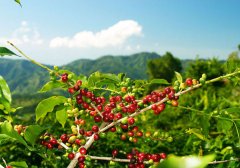
Full of Flower scent of Sidamo-90+Ninety plus Flower language treatment of Ethiopian Sidamo Honey
Ethiopia is the birthplace of coffee. Ethiopian coffee has the same deep cultural accumulation as Chinese tea. Ethiopian coffee is called the coffee of the wilderness, and a cup of Ethiopian coffee can bring you a primitive experience you've never had before. Ethiopia has unique natural conditions suitable for growing all imaginable varieties of coffee. Ethiopian coffee according to the above

A brief introduction to the Market Price of Ethiopian Fine Sidamo Coffee varieties
The highest grades of Ethiopian washed coffee Yega Chuefei G1 G2 Sidamo (Yirgacheffe, Sidamo) are Grade 2 and Grade 3 (G2, G3), while most of the sun-processed coffee in eastern Ethiopia are Grade 4 or Grade 5 (G4, G5). In many cases, level 4 coffee is marked as level 5 in order to reduce taxes. At present, the grading is not uniform and messy, because there is also sun processing.

Ethiopian Coffee Bean Story Ethiopian Coffee Bean and Kenyan Coffee Bean Features Story
Professional coffee knowledge exchange More coffee bean information Please pay attention to coffee workshop (Weixin Official Accounts cafe_style) Ye Jia Xuefei, known for its fresh and bright taste and rich floral and fruity flavor. The washed Yerga Sherfie has the signature citrus lemon blossom and a taste of black tea. Even if it is a small partner who is initially exposed to single-item coffee, it can obviously feel its speed.
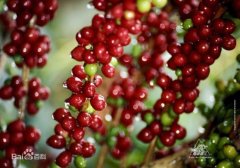
Ninety + Ethiopian native species of ginseng from Wellega (Woliga) producing area of Ethiopia
Joseph Brodsky, the founder of Ninety +, discovered early that all the world's high-quality raw coffee beans originated in Ethiopia, and its different flavors of many different varieties are no less than 10, 000 grapes into 1 million different wines. Ninety percent of the raw beans come from the original varieties of Ethiopia, including Gesha of Manor Panama, which is also an Ethiopian heirloom (Heir).

Good average quality; aromatic and full-bodied Ethiopian coffee plantation taste characteristics
Ethiopian coffee beans grow in a near-natural environment. After years of cultivation under the same growing conditions, Ethiopian coffee beans have gradually adapted to the environment here. More than 60% of coffee beans are forest or semi-forest grown coffee. Coffee farming villages produce about 35 percent of the country's coffee.

Flavor description of Ethiopian Honey Kiss Coffee beans introduction of varieties produced by grinding scale
Flavor description of Ethiopian Honey Kiss Coffee beans in Ethiopia the classification and quality control system of coffee is divided into three levels: producer, regional and national. All coffee is inspected by local inspection agencies before leaving the country of origin, and then re-inspected at the coffee inspection and grading centers in Addis and Diredawa to determine its quality.

Introduction of Ethiopian Coffee beans Grade Analysis of Ethiopian Coffee beans
Ethiopian coffee beans are divided into five levels. The first and second stages are washed beans. Washed beans Grade1 represents 3 defective beans per 300g raw beans, and Grade2 represents 4 defective beans per 300g. Gradc1 grade water washed beans are very rare and are generally difficult to buy. At present, all the washed beans exported from Ethiopia are Grade2 grade. The quality of sun-dried beans is Grade3 and Grad in order.

Ethiopian Solar Yega Shifeiwaka Coffee Flavor description introduction to the characteristics of grindness varieties
Although the Ethiopian Yirgacheffe coffee is petite, it is gentle and delicate and sweet. As the hometown of coffee, thousands of years of planting history and processing tradition in Ethiopia have created high-quality washed Arabica beans. Light baking has unique sweet aromas of lemon, flowers and honey, soft acidity and citrus flavors, fresh and bright on the palate. No.

Ethiopian Coffee Features Ethiopian Coffee Flavor Boutique Coffee
Ethiopian coffee beans grow in a near-natural environment. After years of cultivation under the same growing conditions, Ethiopian coffee beans have gradually adapted to the environment here. More than 60% of coffee beans are forest or semi-forest grown coffee. Coffee farming villages produce about 35 percent of the country's coffee. Many of these are used.

Introduction of variety characteristics of Ethiopian Sidamo coffee beans by taste and flavor description method
Sidamo coffee producing area Sidamo, Ethiopia, is a type of single origin, growing in Arabica coffee in Sidamo province, Ethiopia. Like coffee in most African countries, Ethiopian Sidamo is characterized by small gray beans, but characterized by its rich, spicy, wine or chocolate-like taste and floral aroma. The most distinctive flavor found in all Sidamo coffee is

Clear and bright Ethiopian Yega Xuefei G1 coffee flavor description method grinding scale varieties
Ethiopia Yega Xuefei G1 Coffee Flavor description Grinding scale Variety introduction European monastic academics opened up the local coffee growing industry, which was later run by coffee communities or cooperatives in villages around the town. There are no special plantations here, and coffee trees are naturally scattered in the forest and countryside. During the harvest season, the Ethiopian Coffee Trading Company will go to town to buy.

Description of Origin and Flavor of Ethiopian Coffee introduction to the Grinding scale of varieties produced by the method of Taste treatment
Ethiopian Coffee Origin Flavor description Taste treatment Variety Grinding scale introduction at home it is usually a teenage girl who prepares coffee for everyone. She first grabbed a handful of light green raw coffee beans, put them in a small iron pot on the charcoal stove, scooped up clean water, and scrubbed them with both hands. Then roast the coffee beans with a small wooden shovel, and soon the coffee beans begin to turn dark.

Fresh Ethiopian coffee variety-producing flavor boutique coffee beans Description
Washed coffee accounts for 35 per cent of exports. Good quality washed coffee is processed from freshly picked fully ripe fruit, carefully picked and closely monitored by professionals. After picking clean coffee beans on the day of picking to pulp, then fermentation, washing, drying, peeling. The humidity of the processed coffee beans is kept at about 12%. Sun-cured coffee accounts for 65 per cent of exports. mainly of
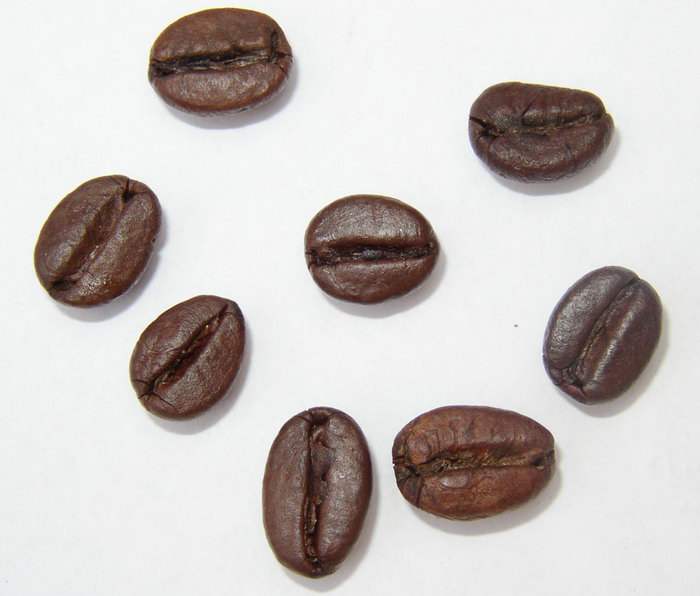
The production of Ethiopian coffee, the introduction of Ethiopian coffee
Following Kaiping (Wechat official account vdailycom) found that Beautiful Cafe opened a small shop of its own. There are more than 140 varieties of coffee in Ethiopia in East Africa, which means the land inhabited by sun-tanned people in ancient Greek. Ethiopia's unique cultural tradition, spectacular scenery, pleasant climate, rich animal and plant resources, and important places of interest

How is the planting of single bean in Ethiopian coffee farm? Ethiopian single bean won the prize.
For the exchange of professional baristas, please follow the coffee workshop (Wechat official account cafe_style) SIDAMO Hidamo and the other two regions, ─ Hara and Yegashev, were approved and registered trademarks by the Ethiopian government in 2004, making the region's reputation and local coffee beans, together to improve the recognition. Hidamo mixed use of water washing and sun treatment, in favor of fruit, strong